Whipped cream at home: the one trick is beating with a side-to-side whisk
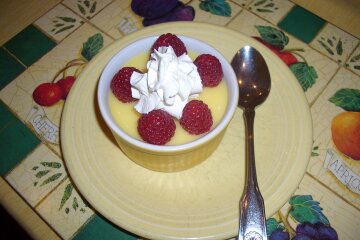
Making whipped cream is the rare kitchen task where the ingredients basically don't matter - it is just heavy cream and a little time. The real skill is knowing when to stop, and Bon Appetit's Emily Saladino has broken the whole thing into five steps anyone can pull off.
First, the cream. Grab anything labeled "heavy cream" or "heavy whipping cream" - both run at least 36% milk fat and are interchangeable. Steer clear of plain "whipping cream" and definitely "light cream," which simply won't hold loft. One cup of cold cream fluffs up to about two cups of whip.
Then the hardware. Cream roughly doubles in volume as you beat it, so use a bowl three to four times bigger than your liquid, and reach for a wide balloon whisk rather than a skinny sauce whisk - it pulls in way more air.
The side-to-side trick
Here is the detail most home cooks get wrong. Instead of whisking in circles around the bowl, Saladino says to move side to side while lifting the cream as you go. You know you are on track when the whisk starts leaving visible trails.
Keep everything cold. A fast 10 to 15 minutes in the freezer for the bowl and whisk (or beaters) plus straight-from-the-fridge cream speeds the whole thing up. And if you are sweetening, add powdered sugar or vanilla before you start beating so it dissolves evenly - about one tablespoon of sugar per cup of cream, or half a teaspoon of vanilla extract.
To tell the peaks apart, think of the Statue of Liberty. A soft peak slumps over when you lift the whisk; a stiff peak stands upright. If you want a flavored whip, your options split two ways: cold-infuse the cream with bourbon or rice for a few hours and strain, or simply stir in cocoa, citrus zest, or coffee syrup before whipping, then fold in anything chunky like nuts or chopped chocolate at the end.
Stop the moment you hit the texture your dessert wants. Silky cloudlike soft peaks suit a strawberry mess or chocolate mousse cake, while sturdier peaks give structure to a mille-feuille. Either way, once the peaks form, put the whisk down - overbeating is the one thing that turns clouds back into butter.