New study: Ozempic may increase the risk of osteoporosis and gout
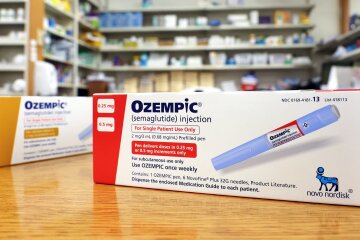
Ozempic and its analogs may increase the risk of bone and tendon injuries, as well as other bone diseases, including osteoporosis and gout, according to the Washington Post, citing the results of a new study.
In an analysis of data from nearly 150,000 patients, researchers found that people taking medications that increase levels of lucagon-like peptide-1 (GLP-1) had a significantly increased risk of developing musculoskeletal disorders. Over five years, these patients' risk of osteoporosis, which causes bone fragility, increased by nearly 30%, and gout by 12%. Furthermore, the risk of osteomalacia, a condition in which bones become soft due to the loss of minerals, increased by 150%.
"The results are stunning," John Gabriel Horneff, one of the study's authors and an associate professor of clinical orthopedic surgery at the University of Pennsylvania, told the publication.
It is noted that the overall risk of these side effects at the population level is low. However, for some individuals, even minor changes can have serious consequences. Those at risk include the elderly and postmenopausal women.
The article states that approximately a quarter of the weight loss from Ozempic is due to "lean mass"—muscle and connective tissue. One theory suggests this may be because GLP-1 interferes with the action of hormones necessary for bone metabolism. Ligaments and tendons may also be affected.
Since the release of Ozempic and its analogs, the side effects of these medications have become a topic of intense discussion in the media and on social media. For example, a new term has emerged online: "Ozempic face" (when rapid fat loss causes facial skin to sag, deep wrinkles, and a sunken-eye effect, resulting in a dramatically aged appearance). Some Ozempic users also complain of hair loss and gastrointestinal problems. Others report decreased libido.
Nevertheless, such weight-loss drugs are popular, especially among celebrities. Oprah Winfrey, Elon Musk, and Amy Schumer have openly admitted to using them. One recent "adherent" to Ozempic, for example, is Ozzy Osbourne's daughter, who struggled with her weight for years and is now compared by fans to a "walking skeleton."
Photo: Mario Tama/Getty Images, Gareth Cattermole/Getty Images, Monica Schipper/Getty Images